Chatting with Champions: Fifth Grade Science Fair
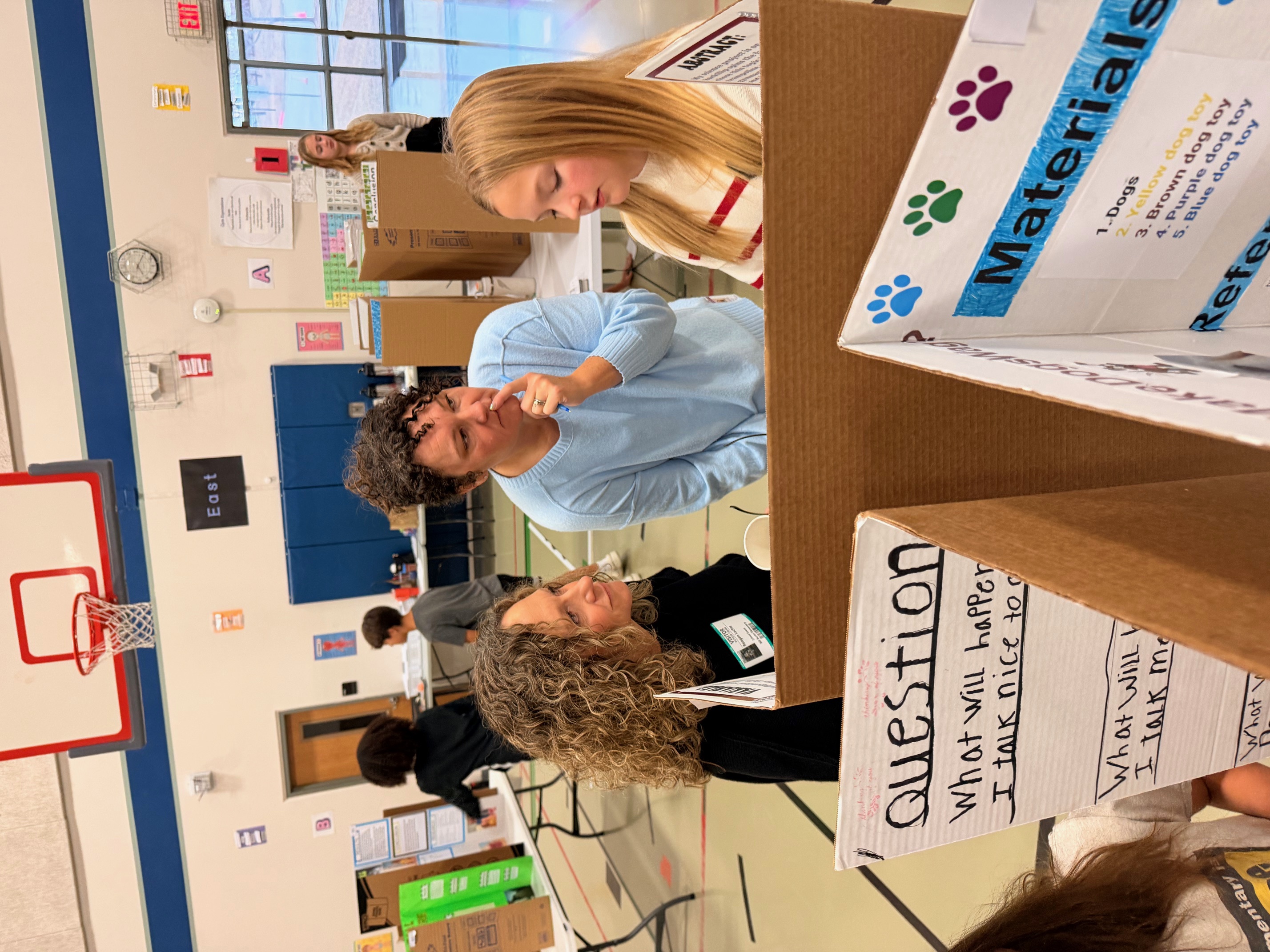
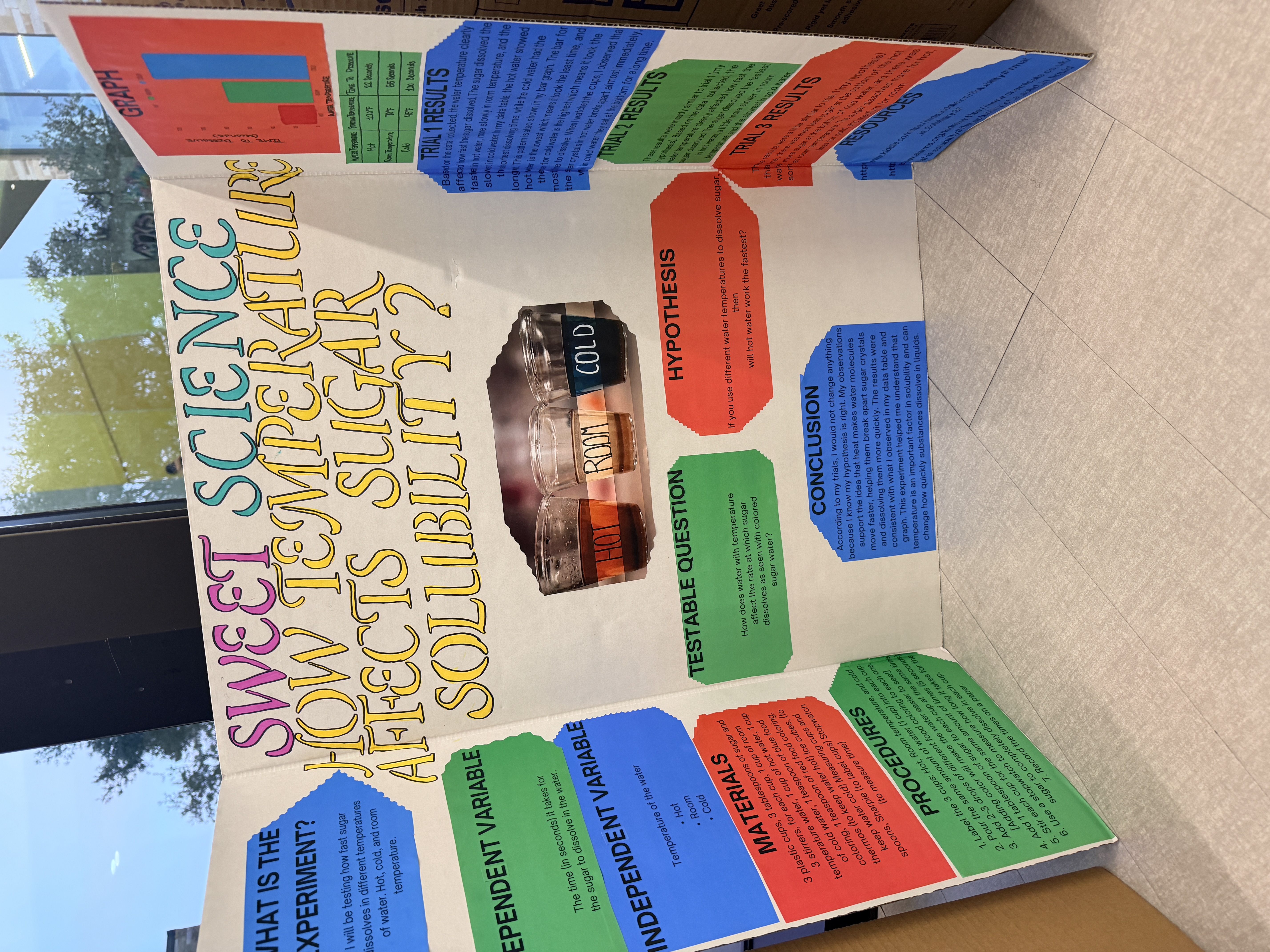
Over the past month fifth graders around Liberty Hill ISD (LHISD) have formed hypotheses, tested them, and shared the results on poster boards to their peers, teachers and volunteer judges in the hopes of making it to the science fair regionals next month at the Palmer Events Center. Let’s chat with the Bill Burden Elementary School (BBE) science teachers and a fifth grader about the lessons learned from the science fair.
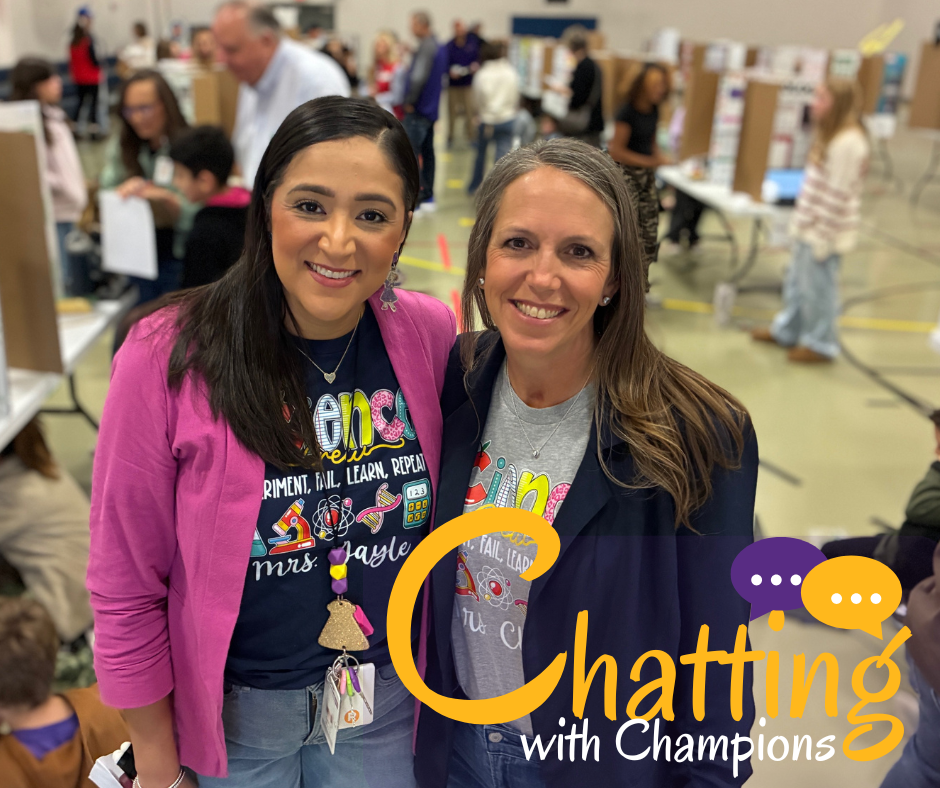
Julie Clark and Monica Gayle are fifth grade science teachers at BBE. Both bring a wealth of knowledge to the classroom with 19 years of teaching experience combined. Gayle started the science fair in LHISD just a few years ago while teaching at Louine Noble Elementary. Both fondly recalled their own science fair projects many years ago – testing plant soils and water absorption among flowers – and wanted to bring that experience to their students.
Director of Elementary Education Kristine Kline is grateful our students have the opportunity to participate. She said, “Participating in the science fair is a wonderful way for students to learn and apply the scientific process in a hands-on, engaging manner while building excitement about science.” It is most often the first major project for an elementary student and gives them lifelong skills in public speaking, organization, time management and writing. Mrs. Gayle shared, “Science fair is a lot of fun. You see their personalities come out and how hard they’ve worked on their first big project.”
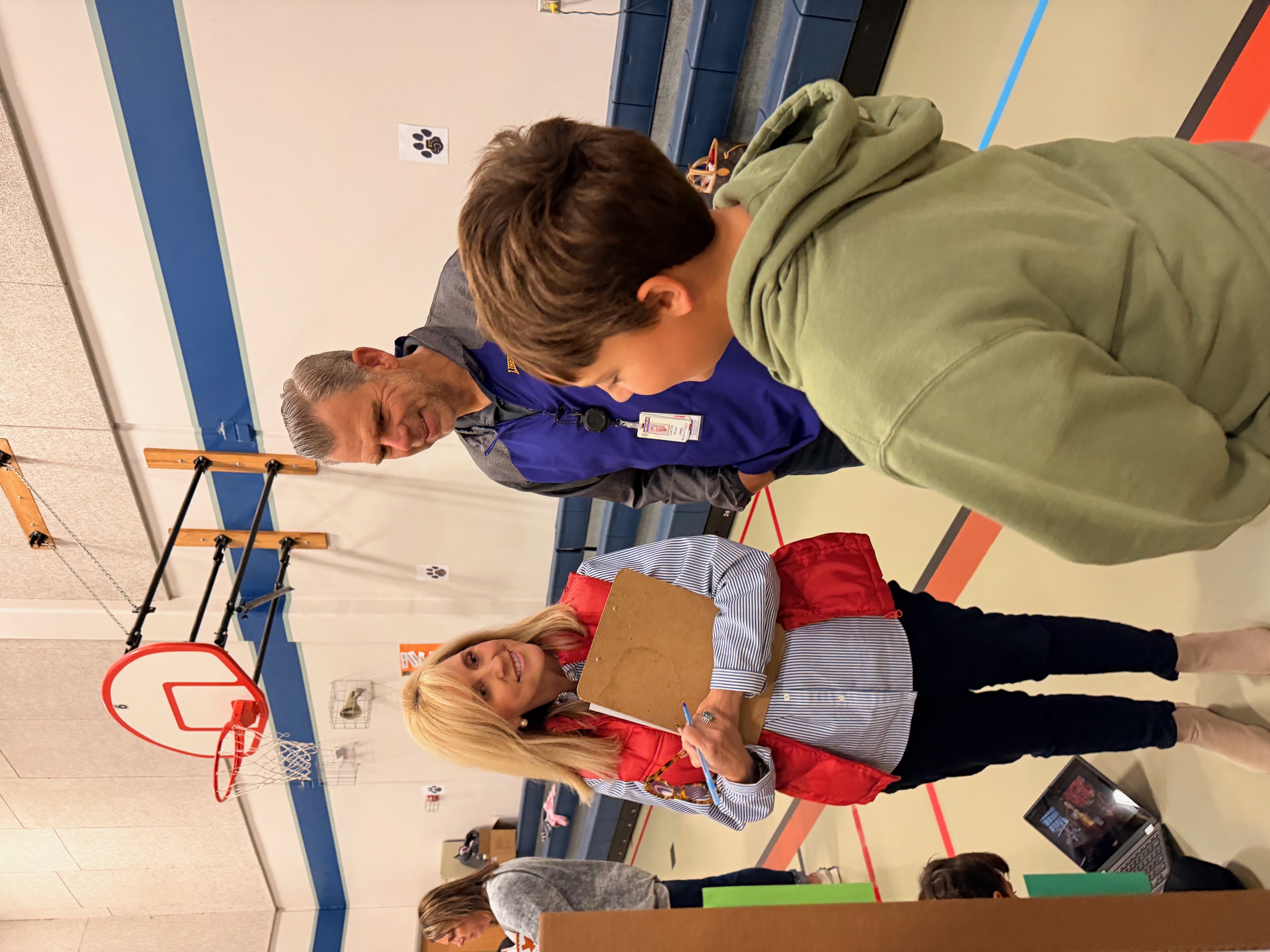
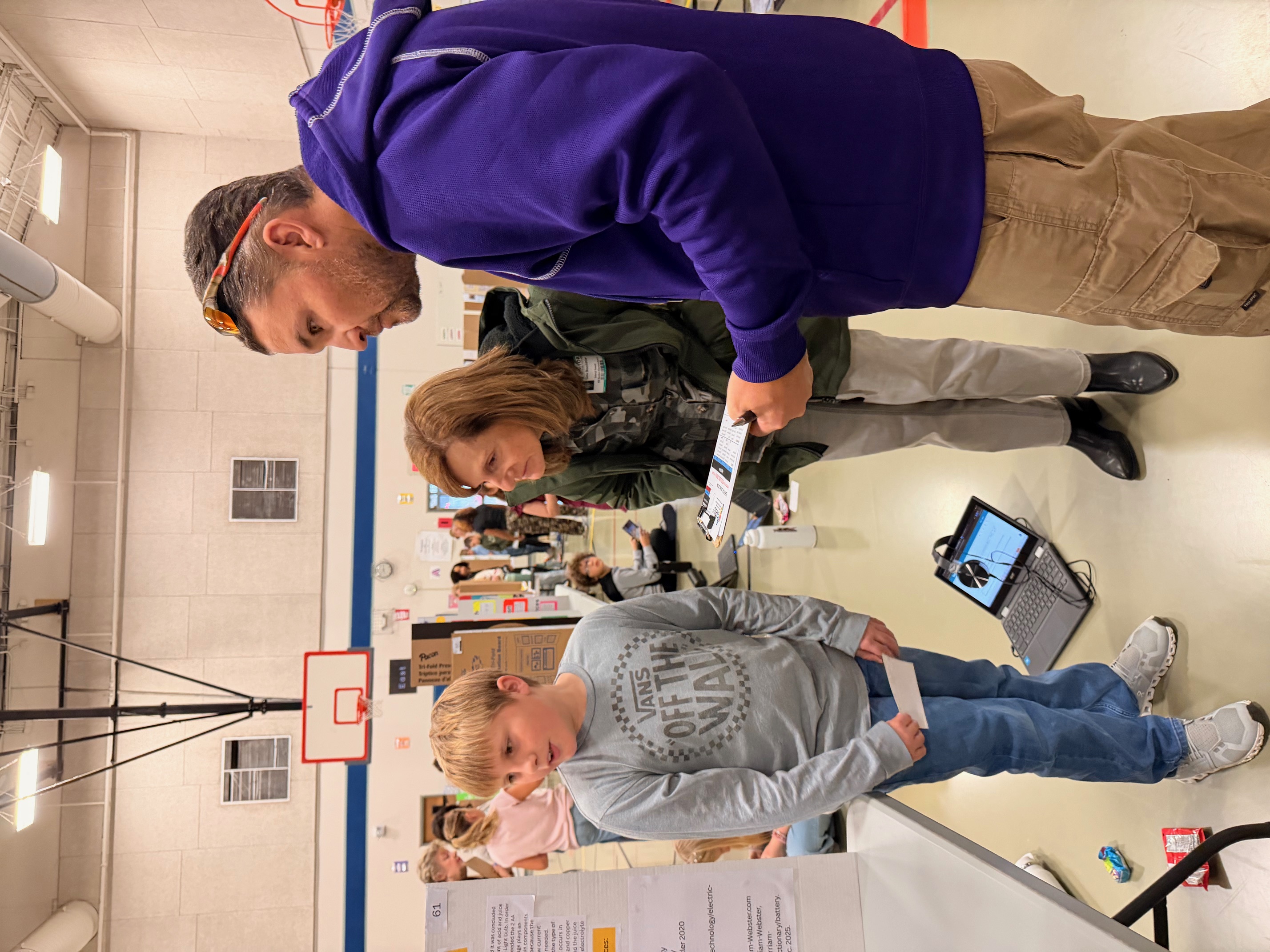
Each elementary school recruited volunteers to judge the projects with the top 12-16 advancing to the regional round from each campus. Of the 137 students who participated at BBE, 16 have advanced to the next level based on the judges scoring against the rubric designed by the Austin Science Education Foundation. The rubric looks at: what variables were presented, evidence the student performed the testing process, the organization and presentation of the facts, the student’s verbal presentation, and the conclusion based on the evidence found.
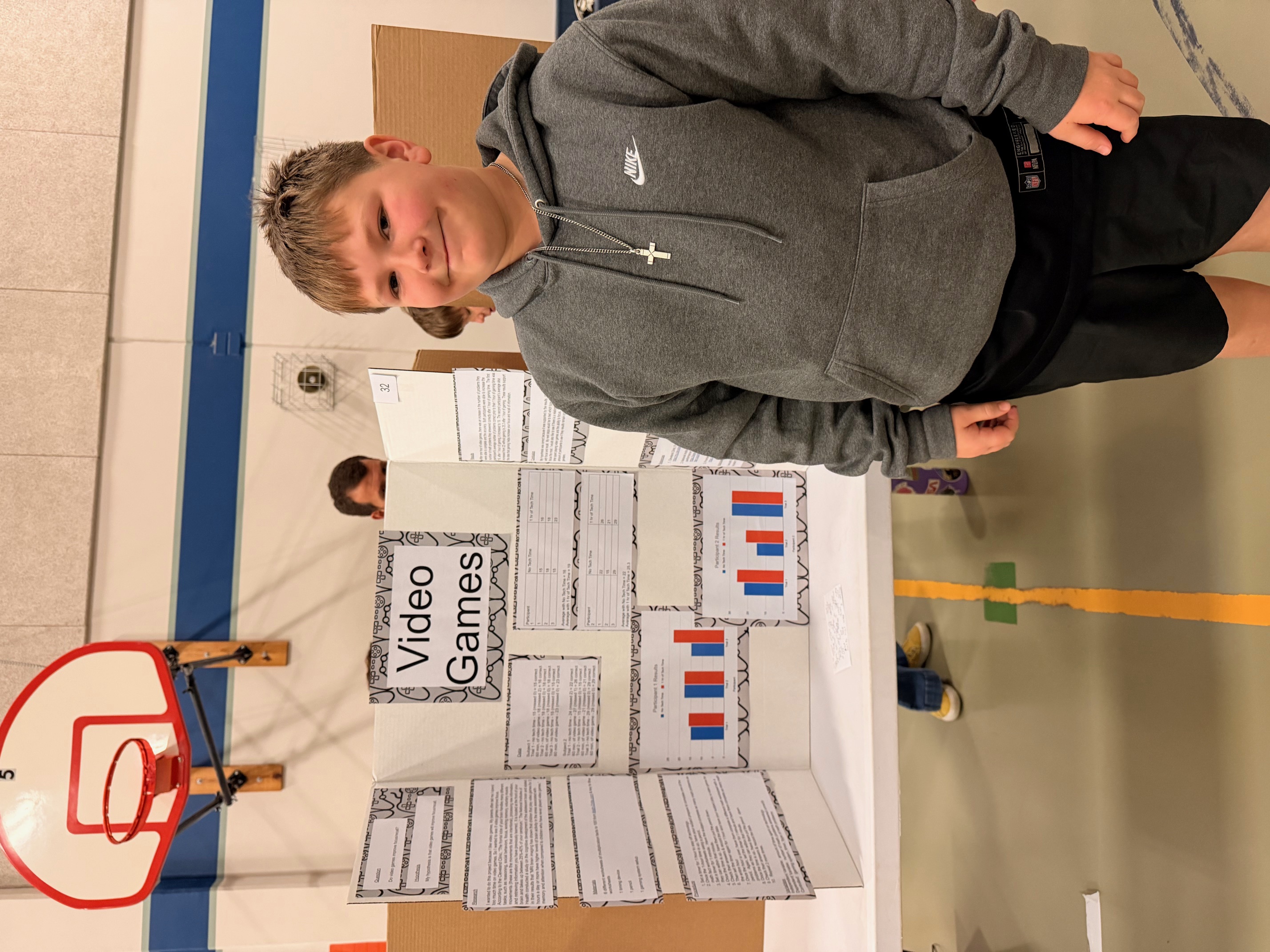
Fifth-grade student Beau is headed to regionals after he tested if playing video games helped with focus and recall of math facts. He did math problems before and after actively playing video games and then before and after a more sedentary time of watching TV. He found there was a slight improvement in his math scores after video games. Beau said, “I like science. I like the experiments and that you get to prove something.”
Some unique projects stood out to Mrs. Clark and Mrs. Gayle this year. Students at BBE tested bunny poop versus store-bought fertilizer, distance achieved with differently sized wheels, if the amount of sugar affects freezing time of ice cream, the most efficient windmill, and how air pressure inside a ball impacts the distance it can be kicked. As a long time science teacher, Mrs. Clark still loves science fair and even volunteers to judge regional competitions. “Sparking the interest in kids is fun to see,” Clark said. “These kids are brilliant and some of the things they do are incredible.”
These projects were all set up in the gym for viewing by younger students at BBE. Kline loves the inspiration the science fair can give to the other students. She said, “the science fair serves as an inspiring preview of what they can look forward to when they become fifth-grade students here in LHISD.”
Thank you Mrs. Gayle for bringing the science fair to LHISD. Good luck to all of our regional participants!
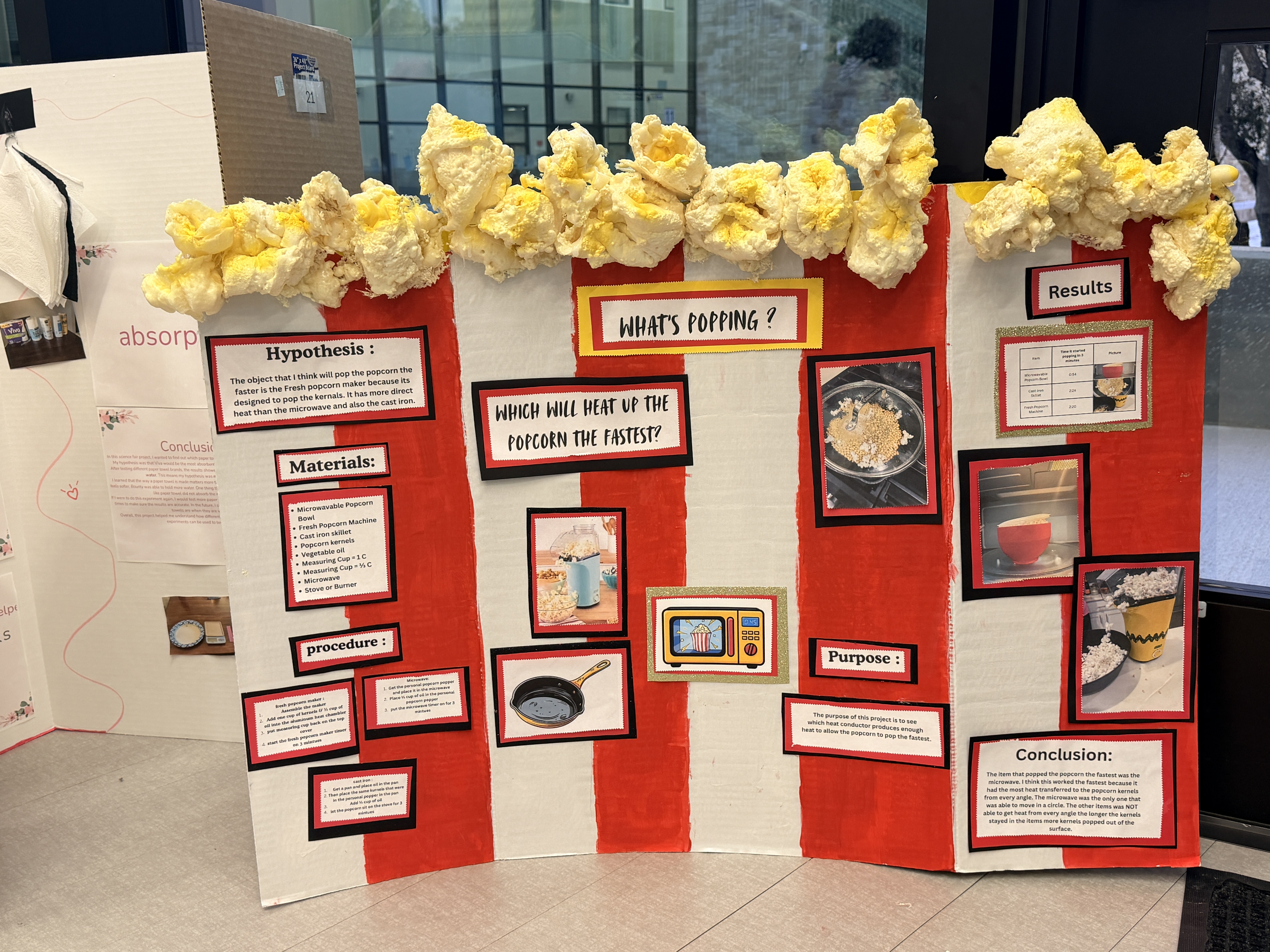
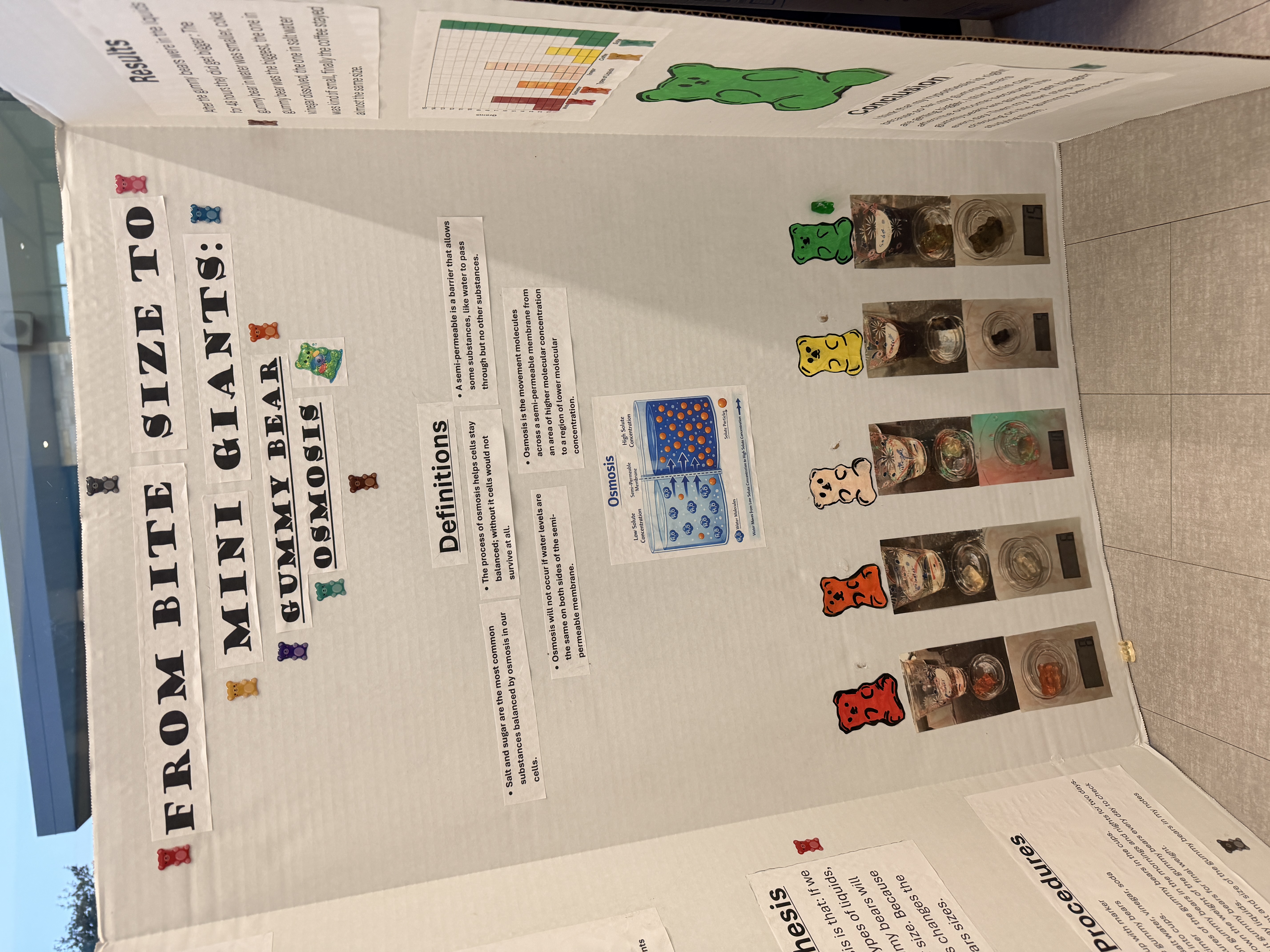
* the science projects pictured below include both Bill Burden Elementary School and Bar W Elementary School
|
|
|